
Voltage and Frequency: What Buyers Need to Know for Refrigeration Products
Most importer mainly focus on voltage and neglect frequency when they purchase electrical products. Many suppliers default to 220V 50Hz;
when these units are shipped to markets using 60Hz, it leads to issues such as deviations in cooling capacity, compressor overheating, warranty claims, and the loss of entire container shipments.
Voltage and frequency work together; neither can be ignored.
Scope of application: Refrigerators, freezers, refrigeration units, finished home appliances, and SKD/CKD (semi-knocked-down/completely-knocked-down) kits.
Preview: This article clarifies the respective functions of these components, their market distribution, their impact on products, how they handle power grid fluctuations (including high-voltage spikes up to 260V), selection strategies, and common pitfalls to avoid.
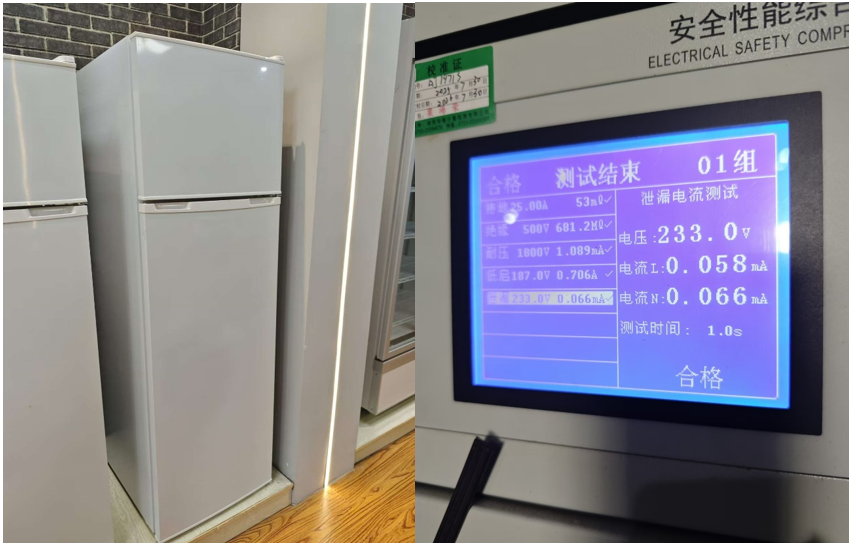
1. What are voltage and frequency?
Voltage: Voltage is the “pressure” or “push” that drives the flow of electrons through a circuit—much like water pressure in a pipe.
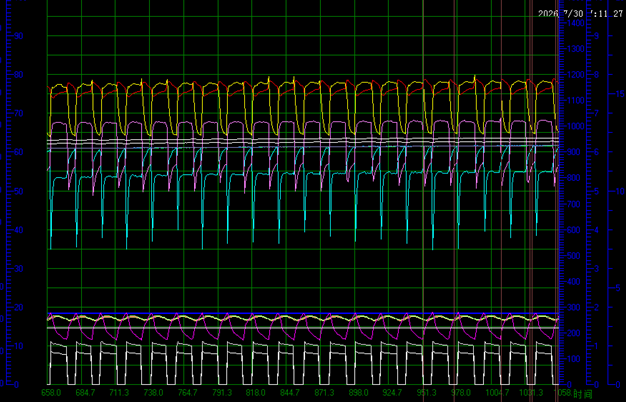
Frequency:In alternating current (AC), the current does not flow in a single, constant direction; instead, it reverses direction back and forth.
50Hz: The direction reverses 50 times per second.
60Hz: The direction reverses 60 times per second.
Voltage mainly affects power output and component stress; frequency directly controls the speed of AC compressors and motors.
Clarifying a Misconception: Wide Voltage Range ≠ Wide Frequency Range; many “wide-voltage” electronic control systems are still designed for a single frequency.
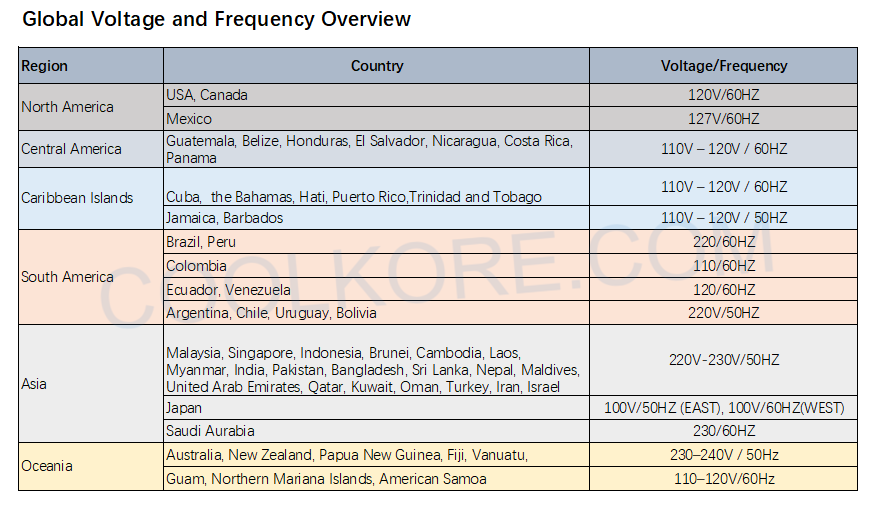
2. Global Grid Reference: Voltage & Frequency Combinations
Voltage and frequency standards vary across countries worldwide. The table below shows the distribution for your reference.
3. How Voltage Affects Refrigeration Appliances & SKD Parts
Rated design voltage: 110V / 220‑240V
Low voltage: Compressor hard to start, poor cooling, higher current, protector trips frequently
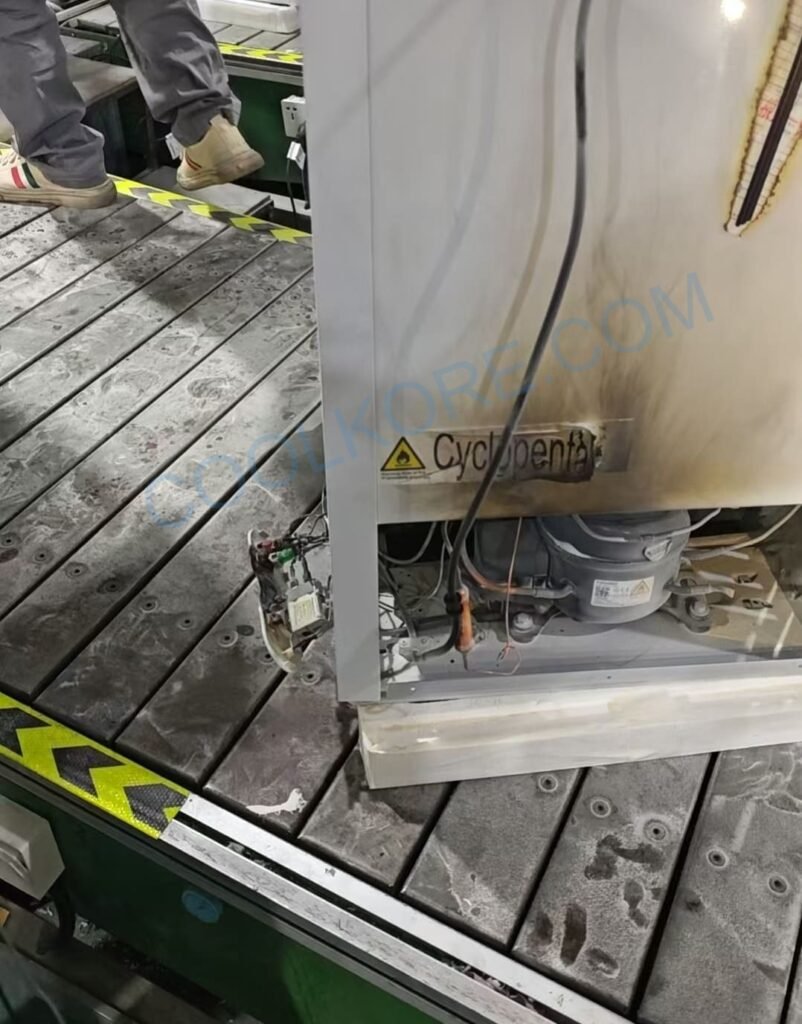
High voltage (250–260V peak): Capacitor, main board and relay breakdown; winding overheating & burnout
Resistive loads (heaters): Power changes with the square of voltage, with greater safety risks
4. How Frequency Affects Refrigeration Appliances & SKD Parts
Impact of Frequency on Refrigeration Units & SKD Components
50Hz compressor on 60Hz supply: Higher speed → more cooling output, higher power draw, hotter discharge, shorter lifespan
60Hz compressor on 50Hz supply: Lower speed → weak cooling, liquid slugging risk, low efficiency
Control boards: Most inverter boards auto‑adapt to 50/60Hz; conventional fixed-frequency boards are not interchangeable
Fans and synchronous motors are also frequency-dependent
Important reminder: Transformers adjust voltage only; they cannot convert frequency
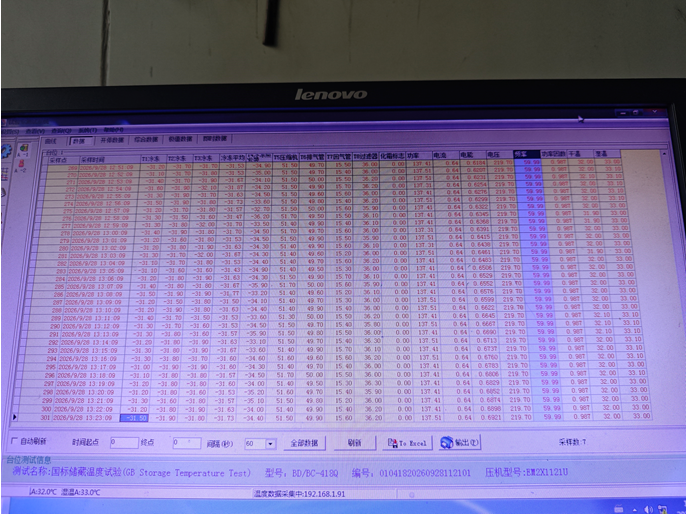
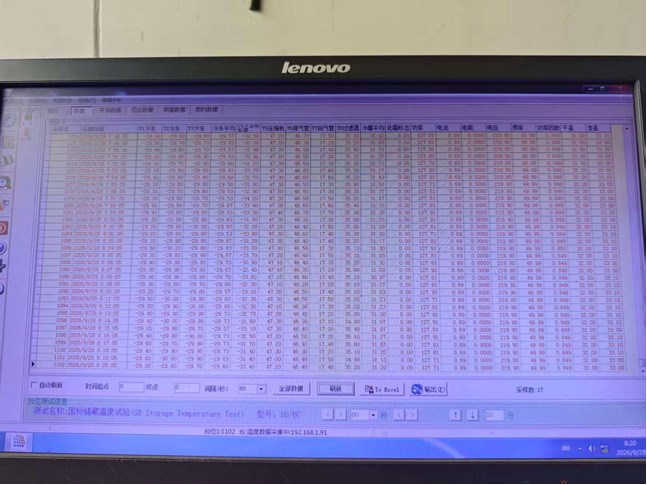
5. Practical Guide for Importers & SKD Project Partners
Step 1: Confirm target country nominal voltage & frequency
Step 2: Check grid stability: voltage fluctuation range (risk of 260V peak voltage)
Step 3: Select components by product typeFixed-speed compressor equipment: Compressor frequency must match the gridInverter models: Majority auto-adapt 50/60Hz, but voltage limit still exists
Step 4: Upgrade component voltage rating and overvoltage protection (varistors, protection boards) as needed
Step 5: Factory ageing test under target voltage + frequency; proper marking on nameplate and manual
Conclusion
Voltage decides how much stress your components take;
frequency decides how your AC motor /compressor runs.
Both must match your target market.
Never check voltage alone. Always confirm voltage AND frequency, plus local grid fluctuation.
We supply refrigeration finished units and SKD/CKD solutions tailored for 110V / 220‑240V, 50Hz or 60Hz, including high‑grid‑fluctuation versions for challenging African markets. Reach out for spec review.