
Production Process of Key Componets of Refrigerator & Freezer
Most clients often focus only on finishedrefrigerator or freezer performance. However, finished product reliability,service life and failure rate largely depend on the quality of core componentsand their manufacturing standards.
Whether you purchase finished units, SKDspare parts or full‑set CKD kits for local assembly, understanding componentproduction helps you evaluate product quality.
This article walks through themain production procedures of critical refrigerator and freezer parts.
1. Outer Shell Manufacturing
The outer shell forms the appearance andstructural frame of the cabinet.
1.Raw‑material incoming inspection: Check thickness, flatness and surface quality of pre-coated metal sheet
2.CNC punching, laser cutting and precision hole opening according to drawing requirements.
3. Bending and forming to get cabinet shapes.
4. Weld seam grinding and gap correction.
5. Final visual inspection for scratches, deformation and color difference.
A full set of rolling machines can finish thecomplete process of punching, bending, cutting, rolling to get the shell shape
2. Inner Liner Production
The inner liner is the inner storage cavity contacting stored food or beverages. The production process of refrigerator andchest freezers are totally different.
The refrigerator inner liner is thermoformed and made from plastic, during the process, following steps must be done:
- Check material: Raw‑material screening for food‑grade high‑toughness ABS sheets.
- Check the process: Vacuum thermoforming to shape the liner.
- Trimming, hole cutting and slot processing.
- Quality check for even wall thickness and flat surface.
- Performance test against cracking and low‑temperaturebrittleness
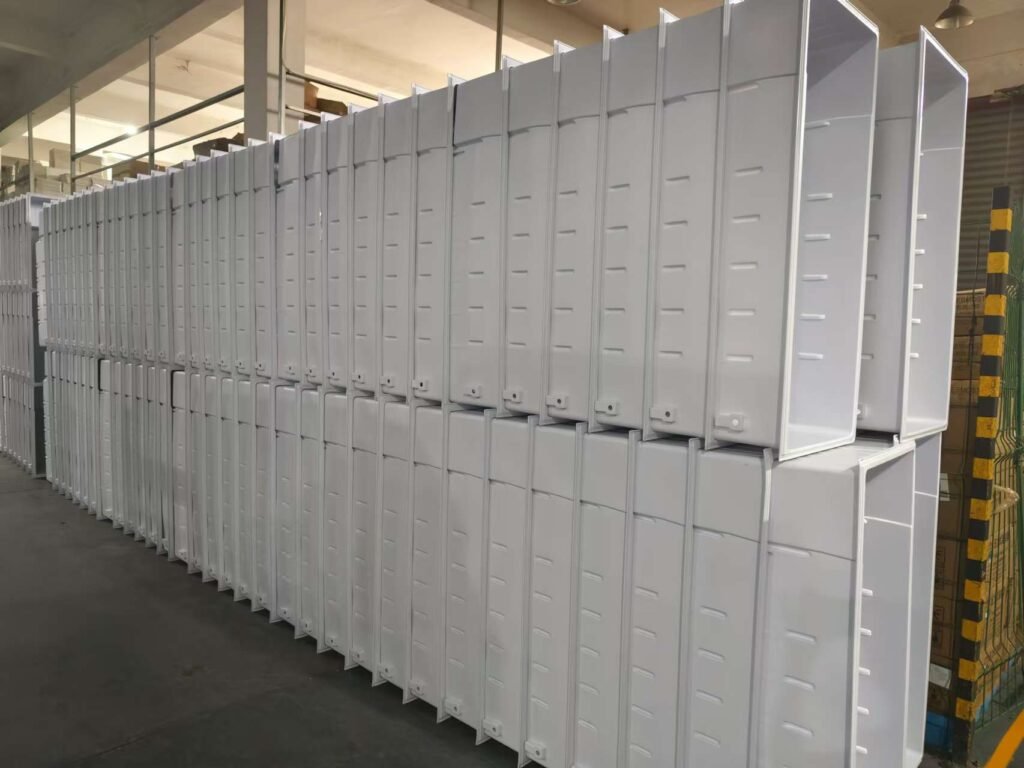
Freezer inner liner consists of large side panels, small side panels and bottom panel. All panels are pre‑processed with corner notching and flanging before assembly.
Since the chest freezer needs much lower temperature, which require PCM sheet made panels to keep the temperature well, that is main reason the material difference from the refrigerator.
3. PU Foam Insulation Process
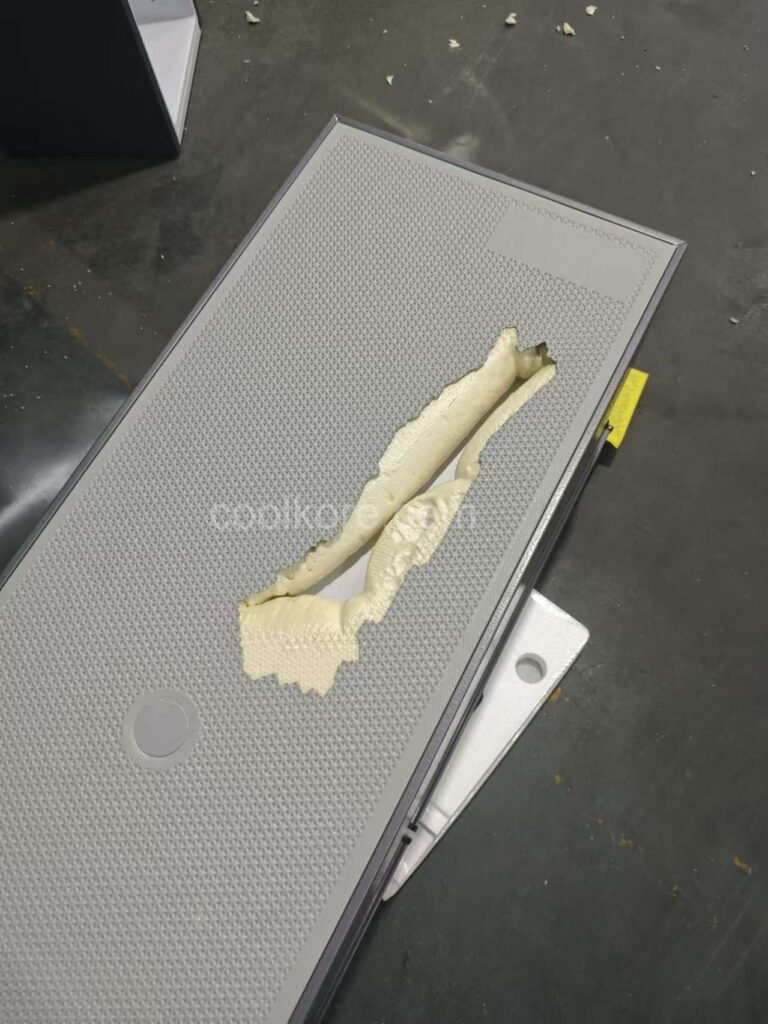
Polyurethane foam directly determines thermalinsulation effect. Poor foaming causes cabinet deformation, cold loss and highpower consumption, so following process need be taken carefully during production.
- Precise positioning and closing of outer shell and inner liner.
- High‑pressure automatic PU foam material injection.
- Constant‑temperature curing to avoid bubble voids, shrinkage or cabinet distortion.
- Foam density and thermal‑insulation performance testing.
- Sorting out defective units with bulges, missingfoam or deformation
4. Refrigeration System: Evaporator, Condenser & Pipelines
The refrigeration system is the heart of coolingperformance
Evaporator: Mosttubes of the evaporator are made of aluminum. The quality of aluminum tubing iscritical for the freezer, for the following reasons:
Corrosion resistance: Aluminum tubes directly contact cold air and moisture inside the cabinet. Poor-quality aluminum is prone to corrosion. Corrosion creates pinholes, which cause refrigerant leakage and complete loss of cooling capacity.
Thermal conductivity: Good aluminum has high thermal conductivity. It transfers cold quickly to achieve fast cooling. Inferior aluminum with impurities reduces heat exchange efficiency, leading to higher power consumption and uneven cabinet temperature.
Mechanical strength: During production, the aluminum tube goes through bending, fixing and assembly. Low-grade aluminum may crack or form tiny crevices when bent. These hidden cracks gradually develop into leaks after long-term operation.
Stability under temperature cycling: The evaporator repeatedly switches between low temperature and ambient temperature. Quality aluminum maintains stable performance under thermal expansion and contraction. Substandard material suffers fatigue easily, shortening the service life of the whole refrigeration system.
Cleanliness inside tube: High-quality aluminum tubing has smooth innerwalls without residual oil or impurities. Impurities inside the tube maytrigger ice clogging or dirt clogging, damaging the whole refrigeration circuit
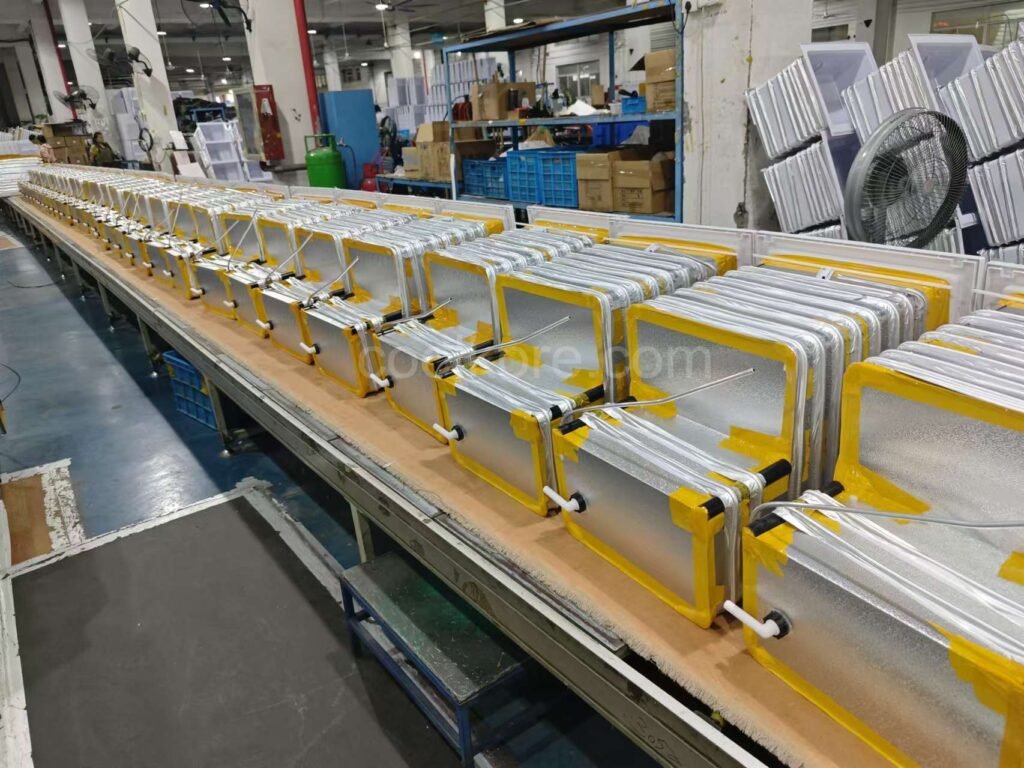
Condenser: The condenser releases heat from refrigerant. Its quality directly affects cooling efficiency, energy consumption andcompressor service life, especially for units used in hot climate markets. It can be placed inside and outside.
A condenser quality could be told from: heat dissipation performance, system operating pressure, material durability &anti-corrosion property and structural stability.
For outside condenser, the welding technique is veryimportant. External condensers demand strict welding requirements. Welding craftsmanship has a decisive impact on condenser quality
Higher welding standards are required for external condensers, as welding quality directly determines the performance and reliability of the condenser.
Poor welding may result in cold solder joints or pinholes. These tiny defects are hard to detect at the factory and will gradually cause refrigerant leakage after long-time vibration during transportation and operation.
Unqualified welding also weakens structural strength. Under continuous thermal expansion and contraction, weld seams may crack, leading to premature system failure.
Skilled welders are essential to ensure tight, smooth welds, prevent leakage risks and guarantee stable heat dissipation of external condensers.
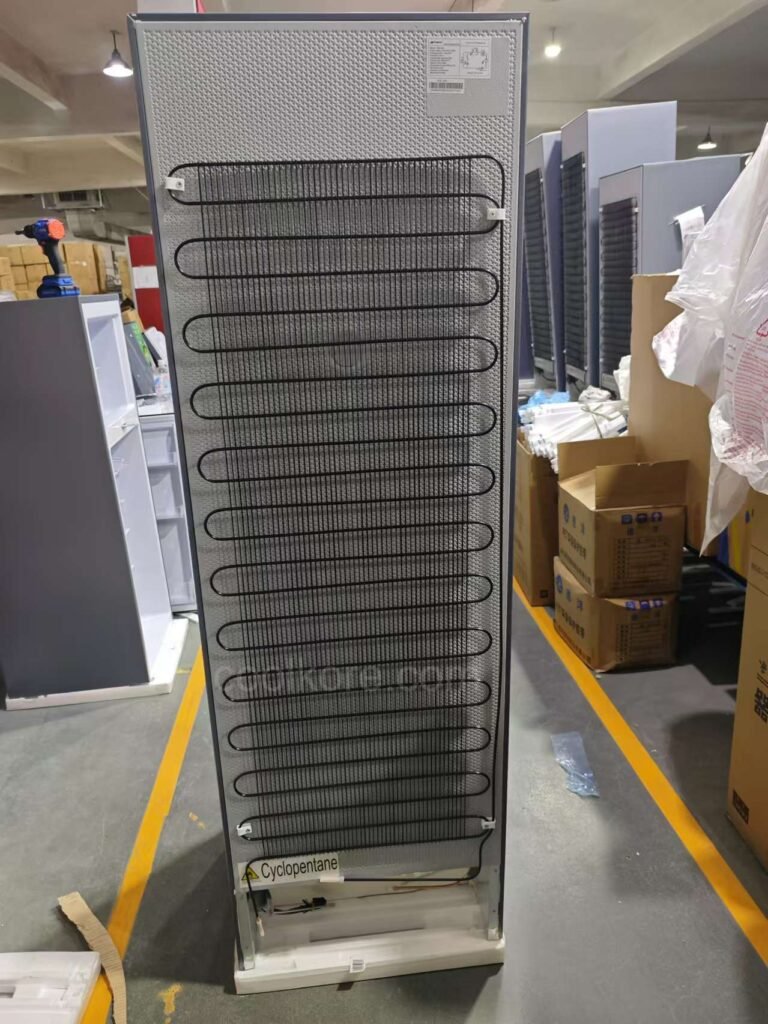
Above are the production procedures and critical notes for major components. In addition, electrical‑control‑system production & testing, compressor‑kit assembly & inspection, and overall quality management play essential roles in the full‑scale manufacturing process
Durable refrigerators and freezers rely onstrict component‑manufacturing standards. We provide finished refrigerationunits, complete SKD spare parts and full‑set CKD kits. We also support overseas‑projectconsultation and technical guidance. Contact us for your refrigeration‑solutionrequirements